
Before you buy an under counter wine cooler, check four things first. Measure the cabinet's clearance, and check whether the unit vents from the front or the back. Decide how many temperature zones you need, then confirm you can get the brand serviced locally afterward. Looks and price matter less than fit and reliability.
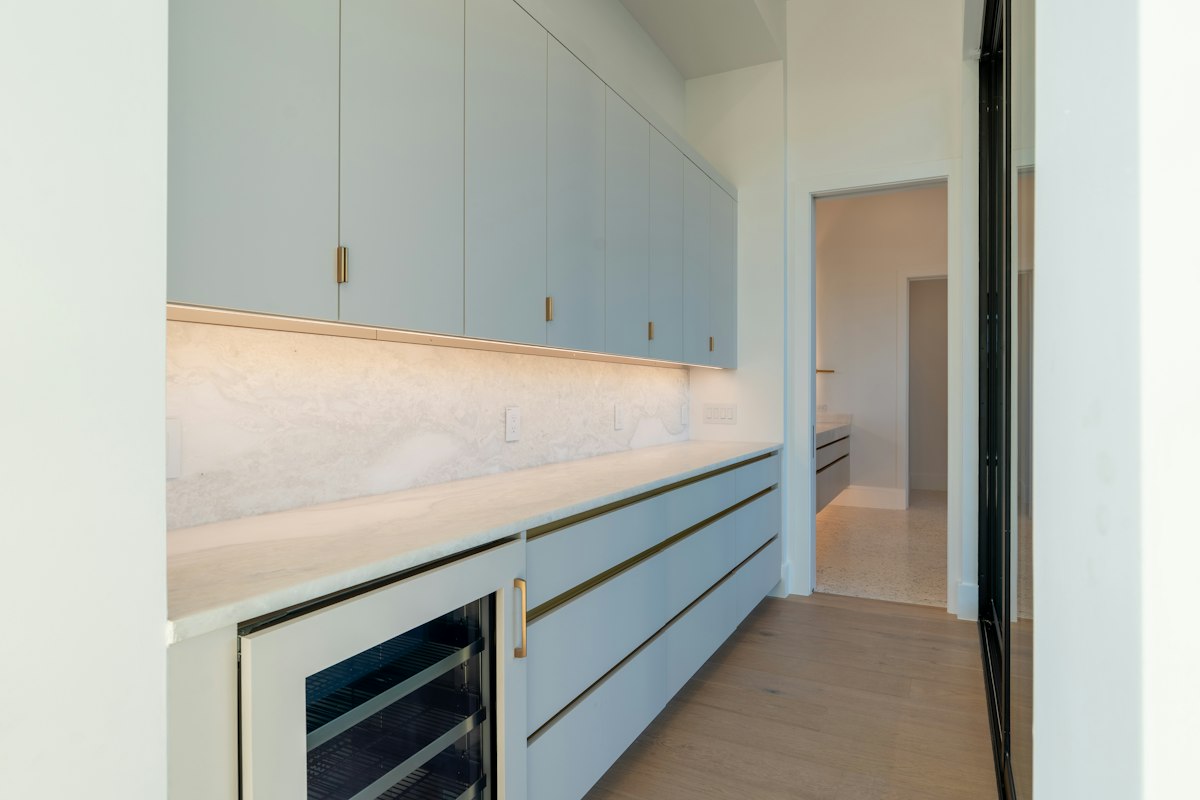
Venting type, zone complexity and compressor placement are the design choices most likely to bring a technician out for a service call after installation. Sellers rarely share this view, since their job is to sell the unit, not maintain it afterward.
What to Check Before Buying an Under Counter Wine Cooler
Four checks decide whether an undercounter wine cooler works in your kitchen: cabinet clearance, venting type, temperature zones and brand serviceability. The sections below take each one in turn.
Built-In vs. Freestanding Undercounter Wine Coolers: Why Venting Decides the Fit
A built-in wine cooler vents through the front grille, where the compressor and condenser push heat out, not through the back. This front-vented design needs only about a quarter inch of clearance on each side and at the top. It also needs 1 to 2 inches of clearance at the rear. That small footprint lets a built-in unit sit flush inside a fully enclosed undercounter cabinet.
A freestanding wine cooler vents through the back of the unit. It needs about 6 inches of open space behind it for the cooling system to circulate air. It also needs about 10 to 12 inches of clearance on each side. That much open space means a freestanding unit cannot fit inside a sealed cabinet the way a built-in unit can.
| Feature | Built-in (front-vented) | Freestanding (rear-vented) |
|---|---|---|
| Installation fit | Sits flush inside a fully enclosed undercounter cabinet | Needs open space around the unit; does not fit a sealed cabinet |
| Clearance needed | About a quarter inch at the sides and top, 1 to 2 inches at the rear | About 6 inches at the rear, 10 to 12 inches on each side |
| Suitable for a fully enclosed cabinet | Yes | No |
Wine cooler repair is one of the repair services offered, including Sub-Zero wine cooler repair for units that develop a problem after installation.
So, can you put a freestanding wine fridge undercounter? Not inside a fully enclosed cabinet, for the reason above: it needs that same open space behind and beside it to vent. It only works undercounter with an opening at the back and sides, or as a front-vented, built-in design instead.
Single-Zone, Dual-Zone or Multi-Zone: Matching Temperature to What You Store
A single-zone wine cooler holds one temperature across the whole cabinet. That makes it the simplest mechanical design, since it has only one setting to control. This fits a buyer who plans to age one type of wine, rather than serve red and white at different temperatures right away.
A dual-zone or multi-zone cooler splits the cabinet into separate compartments, so red and white wine can be held at different temperatures. For long-term storage, both red and white wine are best kept at about the same temperature, near 55 degrees F. They only differ once you serve them. So the extra zones matter most for serving temperature, not for how long the wine ages.
White wine is generally served cooler than red wine, which is the reasoning behind choosing a dual-zone or multi-zone undercounter wine cooler. A buyer who wants to pour each wine at its ideal serving temperature, straight from the cooler, gets that from the extra zone. A buyer who is only aging wine for later does not need it.
A dual-zone or multi-zone unit needs a separate temperature control for each compartment, more on that trade-off below. Shoppers researching an under counter wine cooler 24 inch dual zone model are comparing it against a single-zone unit of the same width. That comparison weighs convenience against complexity.
Cabinet Cutout Width and Clearance: What to Confirm Before You Order
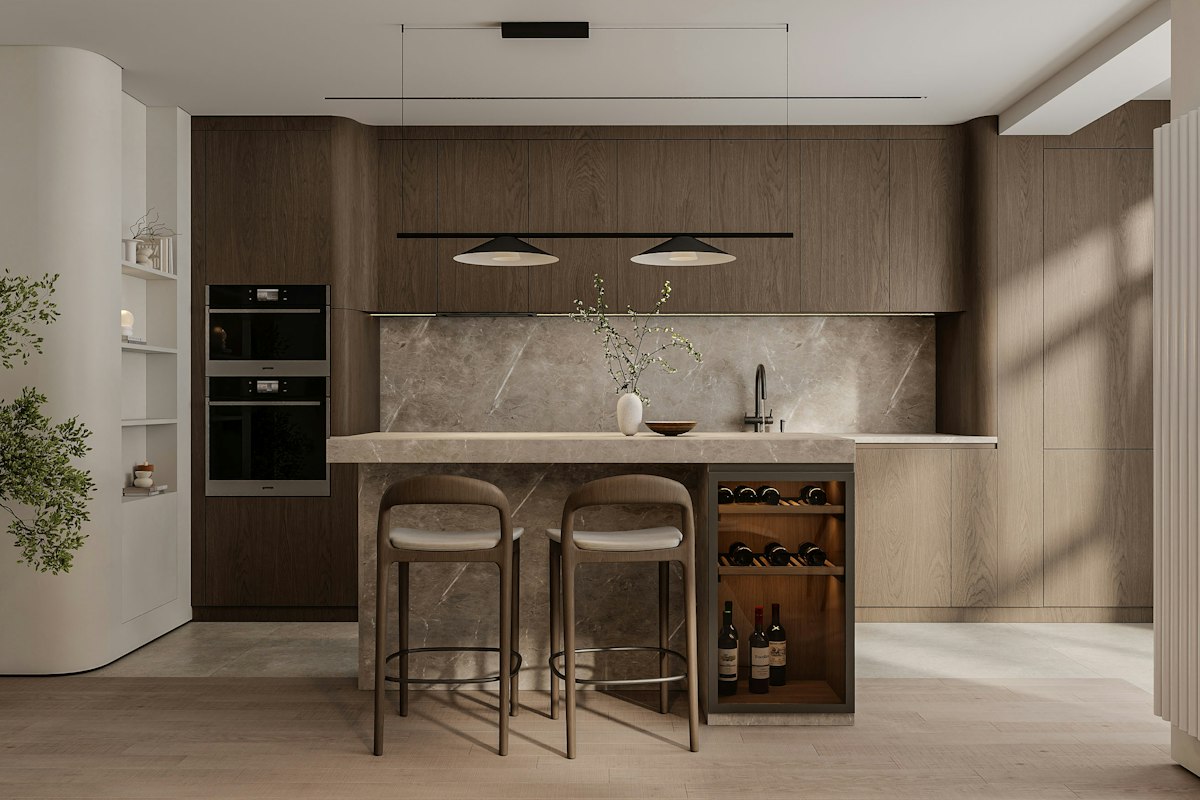
Four nominal widths come up again and again when shoppers look for an undercounter wine cooler. Each one is a rounded label, not the exact cutout measurement for a specific model.
- Under counter wine cooler 24 inch
- 18 inch wine cooler undercounter
- Under-counter wine cooler 15 inches wide
- Under counter wine fridge 30 inch
Measure your actual cabinet opening first. Then match that measurement against the real dimensions listed for the specific model, not just its nominal width, before you order anything.
Exact cutout width and clearance figures for a specific Sub-Zero, Wolf, Cove, Viking, Thermador, Bosch or Miele model are not available here. Check the manufacturer's own installation sheet for the model you want, since the right number depends on the exact model, not just the brand.
Because a built-in model's clearance margin is so tight, its cutout has to match the manufacturer's number almost exactly. A freestanding model, discussed earlier, tolerates a wider margin for error because it already needs much more open space around it.
Expert tip: check the manufacturer's clearance specs before you order
Before you order a specific model, check the manufacturer's published installation sheet for that model's exact cutout width and clearance numbers. Measurements can differ between brands, and even between two models from the same brand, so one spec sheet will not necessarily match another.
Before You Buy: A Quick Checklist for Choosing an Undercounter Wine Cooler
Run through this checklist before you order a unit. Each item points back to a question already covered above, so you can confirm your choice in a few minutes.
- Cabinet cutout width and depth: Measure the actual opening in your cabinet, not just the size listed on a product page.
- Venting type your cabinet allows: Check whether the space is fully enclosed or has an open back, then match that to a built-in or freestanding unit.
- Zone count you need: Pick single, dual or multi-zone based on how you plan to store and serve your wine.
- Brand serviceability: Confirm you can get the brand repaired locally after you buy it, not just where to buy it.
Work through these four points in order. Each one rules out options that will not fit your cabinet, your wine storage plan or your service needs.
How South Florida Heat and Humidity Affect an Undercounter Wine Cooler
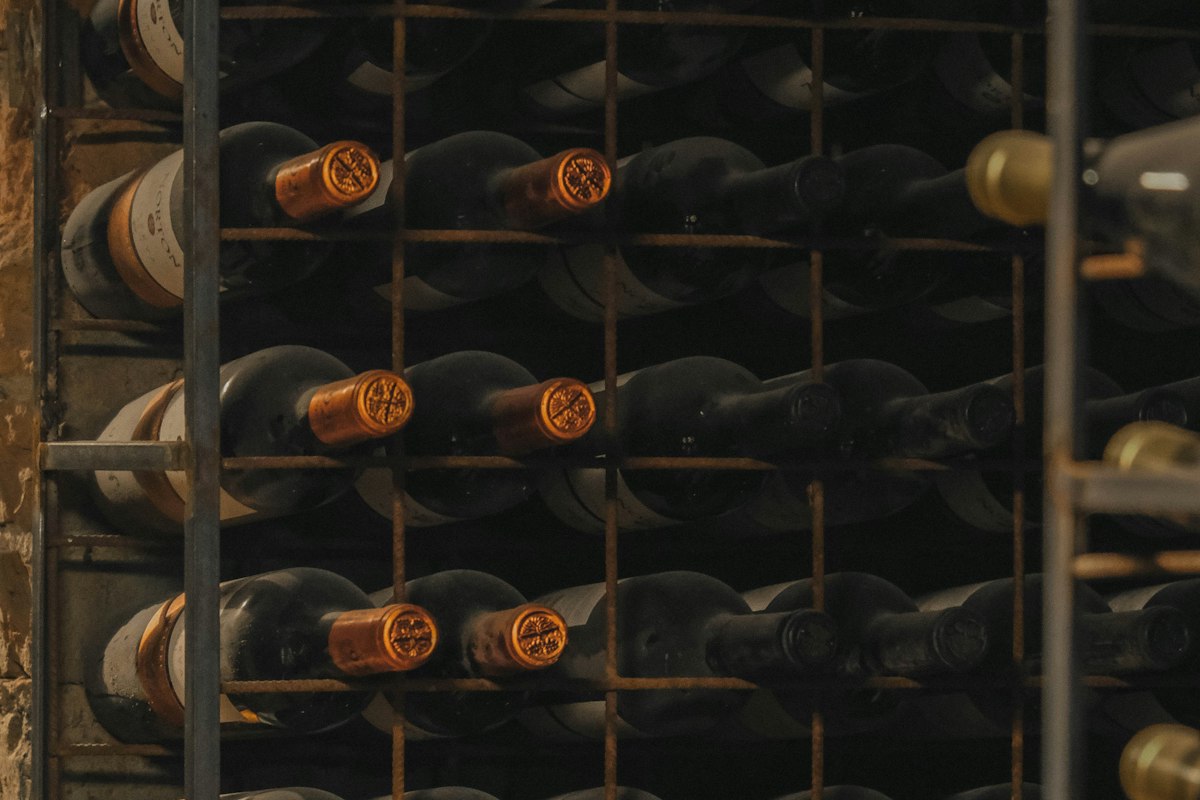
Wine coolers are built to hold humidity in roughly the 50 to 70 percent range. Ambient humidity in a South Florida kitchen is part of what affects how hard the unit works to stay in that range.
That humidity range matters for another reason: it keeps the wine cork from drying out. A cork that stays moist keeps its seal and keeps the wine from oxidizing. That is one reason condensation and humidity swings inside the cooler matter over time.
A fully enclosed cabinet in a warm climate raises the ambient heat the compressor has to work against. That is one more reason the venting choice from the earlier section matters even more in South Florida than in a cooler climate.
Why the Brand You Choose Affects How Easily It Gets Repaired Later
Repair services are listed for Sub-Zero, Wolf, Cove, Viking, Thermador, Bosch and Miele appliances. Wine cooler repair is one of the listed services, alongside refrigerator, freezer, ice maker and marine refrigeration repair. Checking which brands a local repair business actually services matters as much as the features on the spec sheet, and it is worth doing before you order a unit, not after it breaks.
A dual-zone or multi-zone cooler has more sensors and dampers than a single-zone model. That gives a technician more parts to check when something goes wrong. A brand with few local repair options can make a complex unit harder to fix afterward.
Setup Issue or Repair Need? How to Tell the Difference
Some problems with an undercounter wine cooler trace back to how it was installed, not to a broken part. A unit vented the wrong way for its cabinet can show the same warning signs as a mechanical failure. So can a unit installed without the clearance it needs. Knowing which one you have changes what fixes it.
A thermistor is the sensor that tells the unit's control board the temperature inside the cabinet. When a thermistor's reading drifts away from the actual temperature inside the unit, that is a repair issue a technician can fix. It is different from a setup problem.
The sealed refrigeration system is the closed loop that carries refrigerant through the compressor and coils. A leak in that system is a mechanical repair issue, not a setup issue. Condensation caused by not giving the unit the clearance or venting it needs is a setup problem instead. Read more on what these signs mean in Sub-Zero wine cooler repair signs.
Example scenario: a venting mistake that leads to a later service call
A homeowner buys a freestanding-style wine cooler and has it built into a fully enclosed cabinet to match the surrounding cabinetry. The unit still needs about 6 inches of open space behind it and 10 to 12 inches on each side to vent properly. The sealed cabinet does not give it that space.
With nowhere for the heat to go, the compressor works harder than it was built to. The household ends up booking a service call months later, once the unit struggles to hold temperature.
Frequently Asked Questions
What is the difference between a wine refrigerator and a wine cooler?
The two terms mean the same thing. Sellers use "wine refrigerator" and "wine cooler" to describe an appliance built to hold wine at a steady, cool temperature, not the colder temperature of a kitchen fridge. Compare units by zone count, size and venting instead of by name.
Choose the Right Fit, Then Keep It Running
Picking the right under counter wine cooler is only the first step. If a newly installed or existing unit shows condensation, temperature swings, or a compressor that runs constantly, it may need professional attention. Sub-Zero Repair Services repairs Sub-Zero wine coolers for homeowners, property managers and remodelers, serving Miami-Dade, Broward, Palm Beach, Monroe, Collier, Martin and St. Lucie counties.
If your under counter wine cooler shows a problem, don't wait for a small issue to become bigger. Request Service Call to get it checked.
Need Professional Help?
Our certified technicians are available 24/7 for same-day service.
About Sub-Zero Repair Services
Sub-Zero Repair Services has provided Sub-Zero appliance repair in South Florida since 1994. Our factory-trained technicians offer 24/7 same-day service across 82 cities in 7 counties, using only genuine manufacturer parts with a full warranty on all repairs.