
A refrigerator not cooling usually traces to one of a handful of culprits: dirty condenser coils, a failed evaporator fan, blocked airflow, worn door gaskets, or a failing compressor component. In Doral, fast diagnosis matters, because South Florida heat gives spoiling food no mercy.
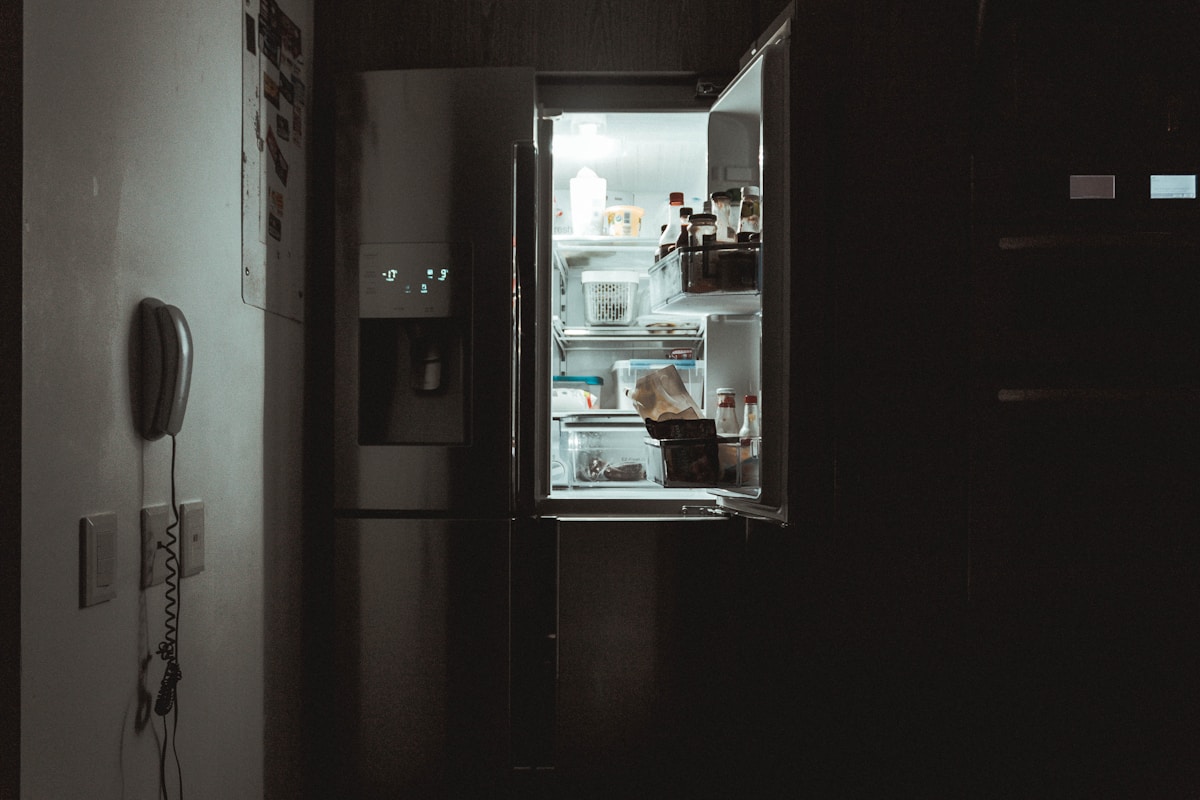
The good news is that the problem follows patterns, and a few safe checks often identify the cause before the technician arrives. This article covers what a warm refrigerator means, the common causes, the troubleshooting steps worth trying, and when professional repair becomes the right call.
Refrigerator Not Cooling: Everything You Need to Know
A refrigerator is not cooling properly whenever it cannot hold food at safe temperature, even if it still feels cool inside. Warm spots, soft ice cream, and sweating shelves are all early versions of the same failure.
The target number is official. University of Minnesota Extension states in its resource on safe food temperatures that a refrigerator should hold 40 degrees Fahrenheit or less, ideally 35 to 37 degrees. A Doral refrigerator drifting above that line is failing, whether or not it feels obviously warm.
Why Is My Refrigerator Not Cooling but the Freezer Works?
When the freezer works but the refrigerator runs warm, the usual suspects are a failed evaporator fan, a blocked air vent between compartments, or a faulty damper that controls cold air flow into the fresh food section.
That pattern is actually useful news. A working freezer means the sealed cooling system is producing cold; the failure sits in the delivery path. Those repairs are typically faster and less expensive than sealed-system work, especially when a technician arrives with the right parts.
Is a Warm Refrigerator an Emergency?
In South Florida, yes. Kitchen temperatures in a Doral summer push perishables into the unsafe zone quickly once cooling fails, and bacteria multiply fast above 40 degrees. Treat the first warm morning as the deadline, not the warning.
The clock is measurable. Keep the doors closed, group items together, and call for same-day service immediately. Every hour of delay converts groceries into losses, and premium built-in units protect their contents best when the failure gets professional attention the same day it appears.
Common Causes of a Refrigerator Not Cooling
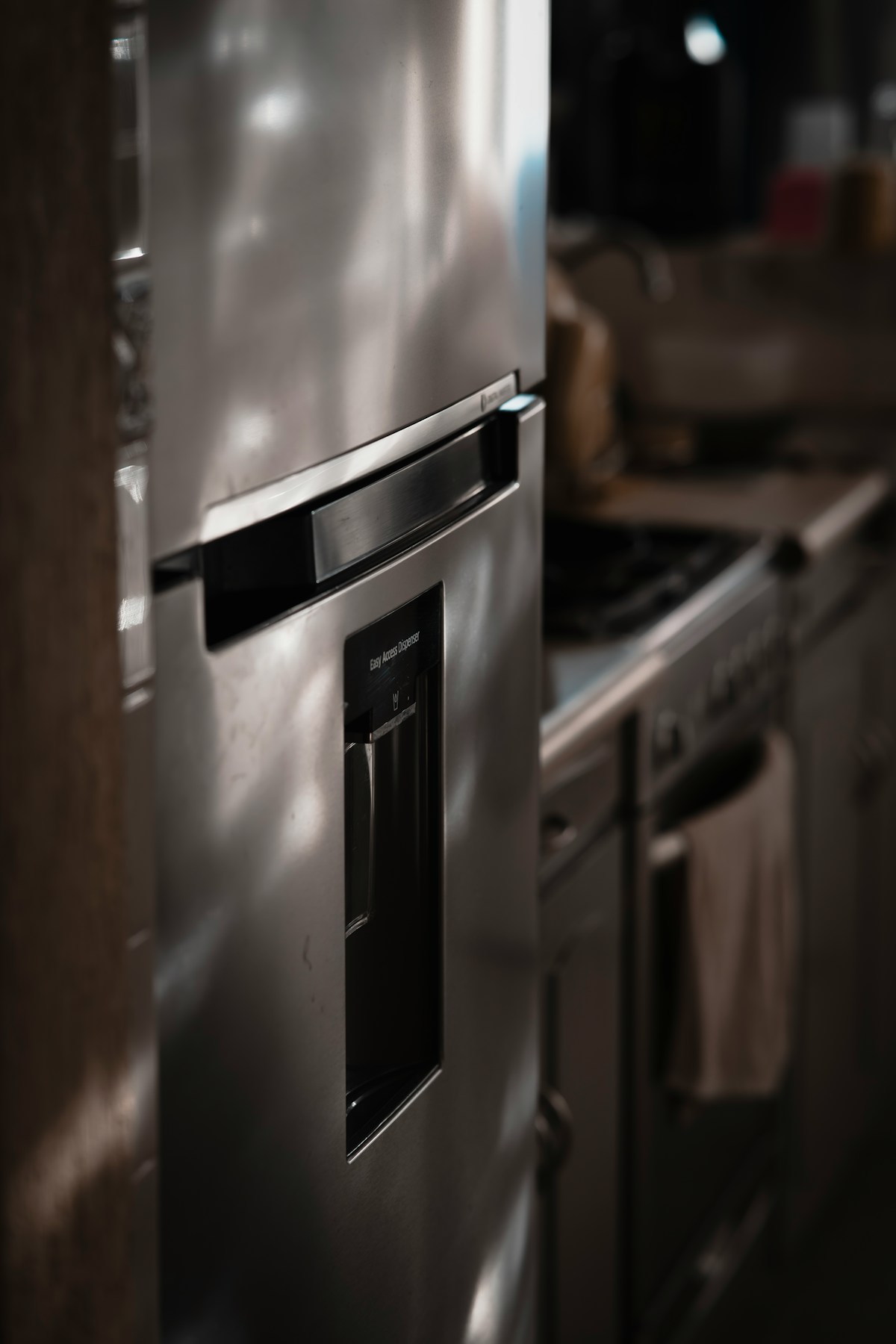
The common causes: dust-caked condenser coils, a failed evaporator or condenser fan motor, worn door gaskets leaking cold air, blocked interior vents, a faulty defrost system icing over the coils, and failing start components on the compressor.
Homeowners increasingly fix rather than replace. Harvard University's Joint Center for Housing Studies projected home improvement and repair spending would reach 509 billion dollars in 2025, and appliance repair is one of the highest-return corners of that budget, especially for premium built-in refrigeration engineered to run for decades.
What Causes a Refrigerator to Stop Cooling?
Heat rejection failure leads the list. The condenser coils release the heat pulled from inside the cabinet, and when dust, pet hair, and kitchen grease blanket them, the system runs hot, struggles, and eventually stops cooling.
Doral homes add local pressure. Warm garages, hard water, and year-round humidity work condensers harder than in most climates, which is why coil cleaning belongs on the annual maintenance calendar here rather than the someday list.
Can Dirty Condenser Coils Stop a Refrigerator From Cooling?
Yes, completely. Blanketed coils cannot shed heat, so the compressor runs longer and hotter, temperatures creep upward, and the unit may shut down to protect itself. Coil neglect is among the most common and most preventable cooling failures.
Efficiency suffers first, food second. The EPA's ENERGY STAR program notes on its refrigerator resources that certified models save energy over standard units, and any refrigerator only delivers its rated efficiency with clean coils and clear airflow. Dirty coils raise the bill before they spoil the milk.
Troubleshooting Steps Before Calling a Professional
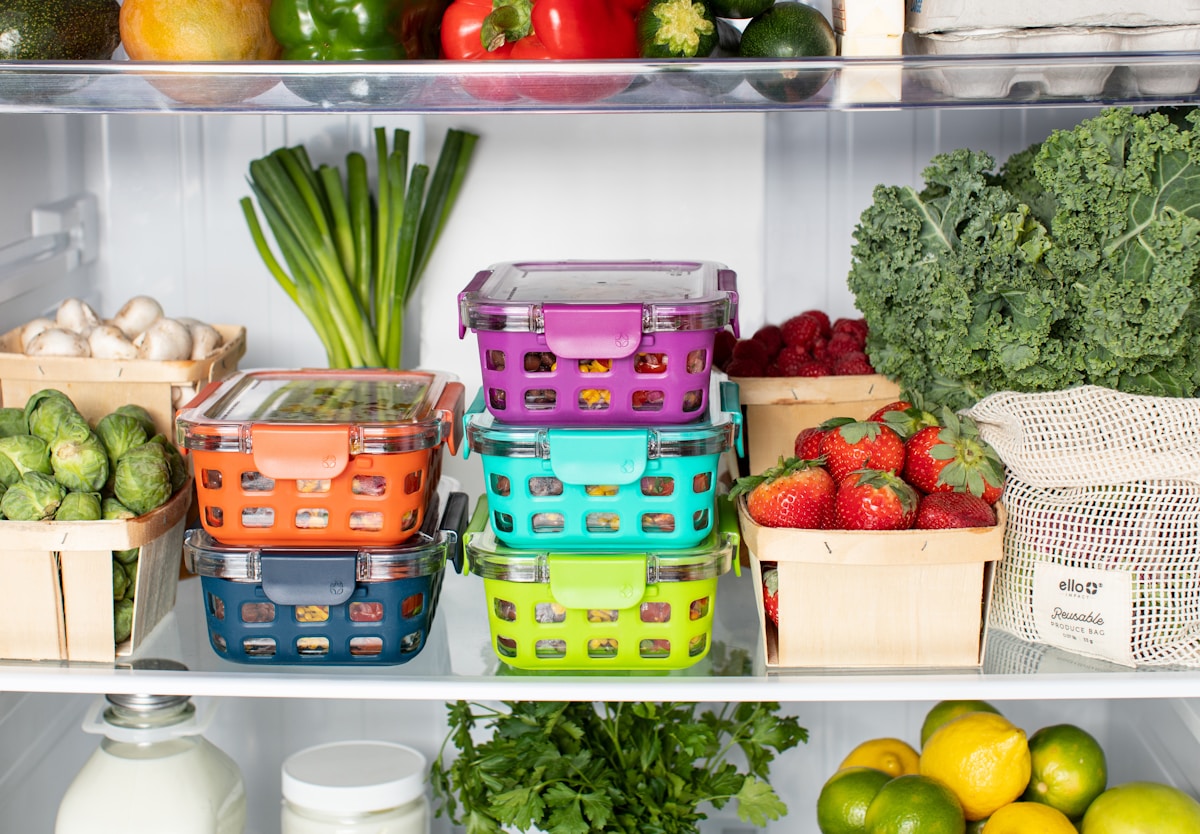
Safe checks first: confirm power and settings, make sure vents inside are not blocked by food, check that door gaskets seal tightly, listen for fan noise, and give the unit breathing room from the wall.
Protect the food while you check. Michigan State University Extension notes in its resource on keeping cold food safe during a power outage that a refrigerator holds safe temperatures for about four hours with the doors kept closed. The same window applies to a cooling failure, so troubleshoot with the doors shut.
What Should You Check First When a Refrigerator Stops Cooling?
Run the COOL Check before calling:
- Controls: confirm settings were not bumped and no vacation mode is active
- Openings: inspect door gaskets for gaps, tears, and items blocking a full close
- Obstructions: clear interior vents and give the unit clearance to breathe
- Listen: note whether fans and compressor run, click, or stay silent
Write down what you find. A clear symptom description, warm fridge with working freezer, clicking every few minutes, silent fans, helps the dispatcher load the right parts and often turns two visits into one.
Common Mistakes to Avoid When a Refrigerator Is Not Cooling
The classic mistakes: cranking the thermostat colder and waiting days, unplugging and replugging repeatedly, packing the unit tighter, ignoring the four-hour food window, and attempting DIY repairs on sealed systems that require certified handling.
Consider a hypothetical Doral homeowner. Her built-in refrigerator reads 48 degrees on a Saturday morning. She keeps the doors closed, runs the COOL Check, notes a silent fan, and books same-day service before noon. The technician replaces the evaporator fan motor from the truck, and the weekend groceries never cross the danger line.
When to Call a Professional for Refrigerator Repair
Call a professional the same day cooling fails, and immediately for warm temperatures, clicking compressors, iced-over coils, or any repair beyond gaskets and cleaning. Premium built-in refrigeration rewards trained hands and punishes improvisation.
Verification still matters under pressure. The Federal Trade Commission reported consumers lost 12.5 billion dollars to fraud in 2024, a 25 percent jump, and urgency is exactly what home-service schemes exploit. Choose factory-trained technicians, written estimates, genuine OEM parts, and warranties, even on the day the milk is at stake.
How Fast Can a Refrigerator Be Repaired in Doral?
Established South Florida services offer same-day windows across Miami-Dade, and most cooling repairs finish in a single one-to-two-hour visit when the truck carries the common parts: fan motors, thermostats, defrost components, and start devices.
Expert tip: call before noon and describe the symptoms precisely. Morning calls secure same-day slots, and a sharp description, warm fresh-food section, working freezer, silent fan, lets specialized refrigerator repair crews arrive stocked to fix it on the first visit, with matching freezer repair expertise on the same truck when both compartments struggle.
Conclusion
A refrigerator not cooling in Doral rewards speed and sequence: keep the doors closed, run the COOL Check, protect the four-hour food window, and get factory-trained hands on the unit the same day. Handled that way, most failures end as one-visit repairs instead of ruined weekends.
Sub-Zero Repair Services, headquartered in Coral Gables and serving 82 cities across 7 South Florida counties, has specialized in Sub-Zero refrigerator, freezer, ice maker, wine cooler, and marine refrigeration repair since 1994, with factory-trained technicians, genuine OEM parts on every truck, 24/7 same-day availability, no surcharges for nights, weekends, or holidays, and dedicated service across Doral and surrounding communities. Call (800) 651-4528 to request your service call today.
Frequently Asked Questions
Why is my refrigerator not cooling?
The common causes are dirty condenser coils, a failed evaporator or condenser fan, worn door gaskets, blocked vents, defrost system faults icing the coils, or failing compressor components. A professional diagnosis identifies the exact cause in minutes and repairs most of them the same visit.
Is a refrigerator not cooling an emergency in Doral?
Yes. South Florida heat pushes food past safe temperatures fast once cooling fails, and refrigerators hold safe temperatures only about four hours with doors closed. Same-day professional service protects both the groceries and the appliance from secondary damage.
Should I try to fix a refrigerator that is not cooling myself?
Limit DIY to safe basics: settings, gaskets, vent blockages, and clearance. Sealed-system work, refrigerant, and electrical components require certified, factory-trained technicians, and improvised repairs on premium built-in units routinely turn small failures into expensive ones.
How much does it cost to fix a refrigerator that is not cooling?
Cost follows the failed component. Fan motors, thermostats, and defrost parts sit at the accessible end, while sealed-system repairs cost more. A written estimate after professional diagnosis is the only accurate number, and reputable services provide exactly that before any work.
Need Professional Help?
Our certified technicians are available 24/7 for same-day service.
About Sub-Zero Repair Services
Sub-Zero Repair Services has provided Sub-Zero appliance repair in South Florida since 1994. Our factory-trained technicians offer 24/7 same-day service across 82 cities in 7 counties, using only genuine manufacturer parts with a full warranty on all repairs.