If your built-in ice maker stopped making ice, you may not need an ice maker repairman right away. A problem with the water supply line, water filter or freezer temperature is safe to check yourself. A problem inside the sealed system, the compressor and refrigerant lines, needs a licensed repair technician.
A built-in ice maker sits inside your refrigerator or freezer cabinet. It uses a water line, a freezing tray and a sealed refrigeration system to turn water into ice.
This company lists Sub-Zero, Wolf, Cove, Viking, Thermador, Bosch and Miele among the brands it services. If your built-in ice maker carries one of these brand names, the checks below apply to your appliance.
The fastest way to find out which kind of problem you have is to run a few simple checks first. Those checks come next, before you decide whether to call a technician.
Checks you can safely try before calling an ice maker repair technician
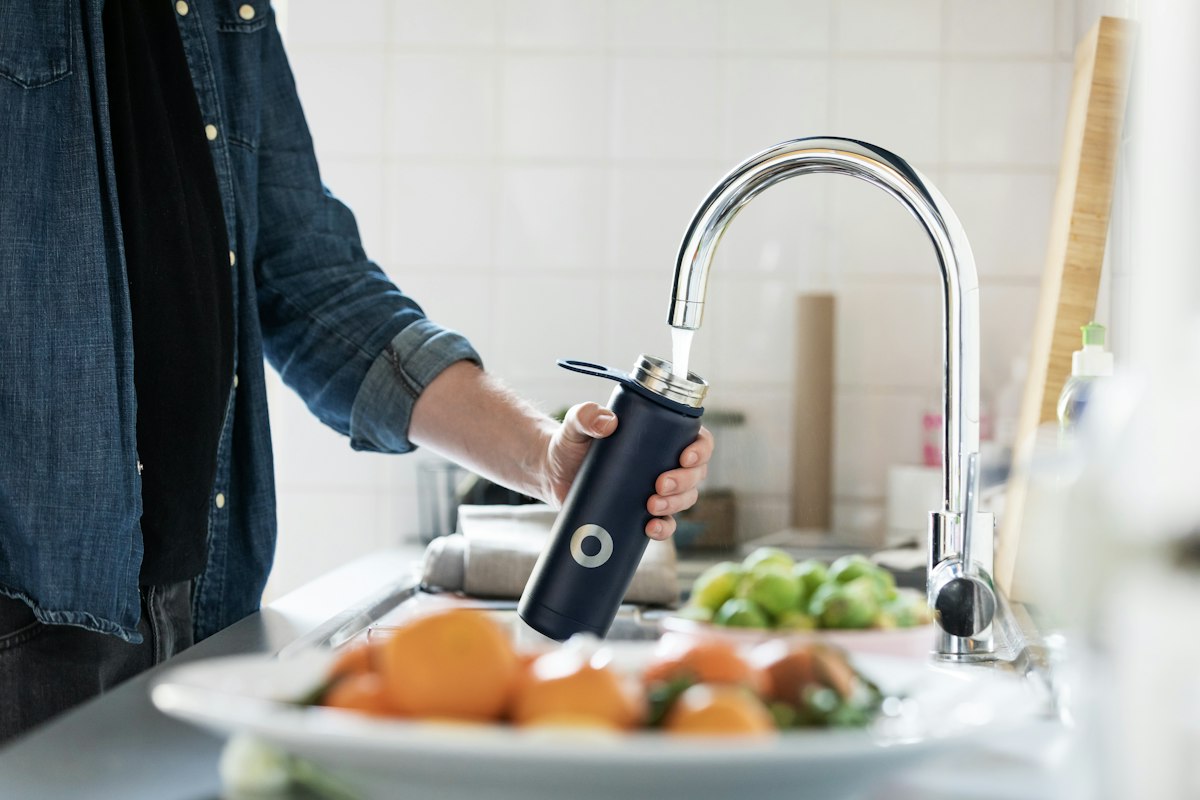
Before you call for service, run through this checklist. It covers three simple parts you can reach yourself: the water supply line, the water filter and the freezer temperature. These three checks matter because they are the only parts of a built-in ice maker a homeowner can safely reach. They do not require opening the appliance's sealed system.
- Water supply line: Check that the line connects to the valve. Make sure it is not kinked or frozen.
- Water filter: Find the water filter and look at it closely. Replace it if it is old, clogged or past its replacement date.
- Freezer temperature: Check the freezer's temperature setting. Compare it to the manufacturer's recommended setting for your model.
The water supply line carries water from your home's plumbing to the ice maker. If the line kinks, freezes or disconnects, no water reaches the tray, and ice production stops. Straightening a kinked line or thawing a frozen one can restore water flow.
A water filter removes particles from that water before it reaches the ice tray. A clogged or expired filter can slow or block that flow. An expired in-line water filter is a documented cause of slow ice production in Sub-Zero units, according to Sub-Zero's troubleshooting guidance. Replacing it is a simple step most homeowners can do without tools. Checking it now can help prevent the same problem later.
Freezer temperature controls how fast water freezes into ice. Sub-Zero recommends a freezer setting of 0°F. Its ice maker troubleshooting guidance says ice production can stop if the freezer runs above 5°F. If you own a Wolf, Cove, Viking, Thermador, Bosch or Miele model, check your owner's manual for that brand's recommended setting. A freezer that runs warm can also mean the door seal is loose or the vents are blocked.
Sub-Zero's troubleshooting guidance also recommends cleaning the condenser if it has not been cleaned in the past 6 to 12 months. This upkeep step helps keep the ice maker working. Most homeowners can clean the condenser coil themselves as routine upkeep.
Running these checks first can save you a service call if the cause turns out to be simple. If these checks do not restore ice production, stop troubleshooting. The next step is a professional checkup. Schedule Sub-Zero ice maker repair service to have a technician check the sealed system.
Signs your ice maker problem is inside the sealed system
Federal rules require anyone who could open the refrigerant circuit during repair to hold technician certification under the EPA's Refrigerant Management Program. That is why this system is left to a certified technician, not a homeowner check.
Refrigerant lines run between the compressor and the parts that create cold air. A leak or blockage in these lines can stop the system from cooling properly, which is a repair only a technician should attempt.
This sealed system is different from the water line, filter and temperature checks covered above. If those checks do not fix the problem, leave the sealed system to a licensed technician.
The table below lines up what you can check yourself against the signs that call for a technician. Compare your situation to each row before deciding whether to continue troubleshooting or call for service.
| DIY-safe check | Sealed-system sign |
|---|---|
| Water supply line connected, not kinked or frozen | Frost or ice buildup near the compressor area |
| Water filter in place and not expired | Unusual noise coming from the compressor |
| Freezer temperature near the recommended setting | No cooling in the unit at all |
These signs point to the sealed system because they involve the refrigeration parts themselves, not the water or temperature controls. Frost near the compressor, an unusual noise from that area or a complete loss of cooling all call for a technician. That technician can safely open the sealed system. No cooling at all can point to a compressor that has stopped running.
Example scenario:
A homeowner in South Florida notices their built-in ice maker has stopped making ice. They check the water supply line, replace the water filter and confirm the freezer temperature. The ice maker still will not make ice. They then notice frost near the compressor and a new, unusual noise from that part of the unit. Rather than open the sealed system themselves, they call for a service appointment so a technician can diagnose it directly.
Why Sub-Zero, Wolf and other premium brands need brand-specific service
Sub-Zero, Wolf, Cove, Viking, Thermador, Bosch and Miele build the ice maker's refrigeration parts into a sealed system inside the cabinet. A repair on these appliances needs OEM, or original equipment manufacturer, parts made for that exact brand and model, not a generic replacement part.
A generic replacement part may not fit the exact dimensions and seals these premium cabinets need. Each of these brands also designs its own control boards and sealed-system layout. A technician who knows a brand's system can diagnose it more accurately.
This company is independent, not affiliated with, authorized by, sponsored by or endorsed by Sub-Zero Group, Inc.; Sub-Zero, Wolf and Cove are registered trademarks of that company. It names these brands only to show which appliances it services, not to claim any affiliation. Knowing this helps you choose who repairs a premium appliance with full information.
What a Request Service Call covers for an ice maker problem
A Request Service Call for a built-in ice maker starts with a technician diagnosing the exact cause of the problem, then completing the repair based on what they find. This company repairs built-in ice makers, along with Sub-Zero refrigerators, freezers, wine coolers and marine refrigeration systems. Marine refrigeration works the same way inside a sealed system, but the equipment on a boat also has to handle motion, humidity and salt air.
To see how this looks in practice, the Sub-Zero repair page for Miami covers this service in one of the cities it serves.
South Florida counties this service covers
This company is based in Coral Gables, FL. It repairs built-in ice makers in seven South Florida counties: Miami-Dade, Broward, Palm Beach, Monroe, Collier, Martin and St. Lucie. If your home sits in one of these counties, your ice maker problem falls within the service area.
Visit the Areas We Service page to see the specific cities and communities covered in each county before you book a repair.
Next steps for a built-in ice maker that won't make ice
If the checklist above did not bring back ice production, or you noticed a sealed-system sign, stop troubleshooting. Call a technician instead of opening the unit yourself. Sub-Zero Repair Services repairs built-in ice makers. Call (800) 651-4528, or Request Service Call to book a diagnosis for your ice maker.
Need Professional Help?
Our certified technicians are available 24/7 for same-day service.
About Sub-Zero Repair Services
Sub-Zero Repair Services has provided Sub-Zero appliance repair in South Florida since 1994. Our factory-trained technicians offer 24/7 same-day service across 82 cities in 7 counties, using only genuine manufacturer parts with a full warranty on all repairs.