
A fridge not cooling properly in Collier County is an urgent appliance failure that needs immediate attention to prevent food spoilage and costly replacement. The most common causes are compressor malfunctions, thermostat failures, condenser coil blockages, and refrigerant leaks. Knowing which problems you can troubleshoot yourself and which require a certified technician is the difference between a $150 fix and a $2,200 replacement.

A fridge not cooling properly in Collier County represents urgent appliance failure requiring immediate attention to prevent food spoilage and costly replacement expenses. Refrigerator cooling problems manifest through inadequate temperature maintenance, warm interior compartments despite functioning freezers, or complete cooling system failure throughout the appliance. Understanding common causes — including compressor malfunctions, thermostat failures, condenser coil blockages, and refrigerant leaks — enables informed decisions about repair versus replacement throughout Collier County homes.
A refrigerator that is not cold enough demands professional diagnostic assessment identifying the specific component failures affecting cooling performance. Refrigerators remain the single largest energy-consuming kitchen appliance, operating continuously, which makes proper maintenance and timely repairs essential for both food safety and energy efficiency throughout Collier County residences.
Why Your Fridge Is Not Cooling Properly in Collier County
Your fridge is not cooling properly because critical components — including the compressor, thermostat, condenser coils, or evaporator fan — have failed or become obstructed, disrupting the refrigeration cycle that transfers heat from interior compartments to the external environment. The refrigeration cycle relies on the coordinated operation of four essential parts: evaporator coils absorbing heat inside the fridge, the compressor pressurizing refrigerant gas, condenser coils releasing heat outside, and an expansion valve regulating refrigerant flow. When any component fails, the entire cooling system loses efficiency or stops functioning.
Research on refrigerant vapor compressors explains that refrigeration compressors pressurize refrigerant at specific operating pressures, with modern systems requiring oil-free operation and advanced compression technologies that handle new refrigerants with zero ozone depletion potential. Understanding compressor operation helps homeowners recognize that cooling failures often stem from compression-system malfunctions requiring professional refrigerant handling and sealed-system repairs.
Explore Common Thermostat and Compressor Issues
Thermostat and compressor issues are the primary causes of refrigerator cooling failures throughout Collier County homes. Thermostats regulate interior temperatures by cycling the compressor, and a failure causes either constant running or insufficient cooling cycles. A faulty thermostat misreads compartment temperatures, preventing compressor activation despite warm interior conditions. Compressor problems — mechanical wear, electrical failure, or refrigerant leaks — completely disable cooling and require professional replacement.
Compressor failures often announce themselves through unusual noises: grinding, clicking, or buzzing sounds that indicate internal mechanical damage. A silent compressor despite warm interior temperatures suggests an electrical failure or relay switch problem preventing startup. Professional diagnostic equipment measures compressor amperage, pressure levels, and refrigerant flow to identify the specific failure mode requiring a targeted repair.
Refrigerator troubleshooting checklist:
- Verify power supply connections and circuit breaker status before advanced troubleshooting
- Clean condenser coils located beneath or behind the refrigerator, removing dust and debris
- Test door gasket seals using the paper-slip test to ensure proper closure
- Adjust thermostat settings, verifying the temperature controls properly cycle the compressor
- Listen for compressor operation, identifying unusual sounds that indicate mechanical failure
- Check evaporator fan operation inside the freezer for proper air circulation
- Examine drain pans and defrost systems for ice buildup blocking airflow
- Document symptoms, including temperature readings and operational sounds, to assist your technician
Understand Airflow Problems Inside Refrigerators
Airflow problems prevent cold air from circulating between the freezer and fresh-food compartments, creating situations where the freezer works while the fridge stays warm. Internal airflow depends on the evaporator fan pushing cold air through vents that connect the freezer and refrigerator sections. Blocked vents from an overstocked freezer, a failed evaporator fan, or excessive frost buildup restrict that airflow, leaving fresh food insufficiently cooled despite a properly functioning freezer.
Frost accumulation on the evaporator coils indicates a defrost-system failure preventing regular ice-removal cycles. Defrost timers, heaters, and thermostats control automatic defrost; when they fail, ice accumulates over days or weeks, gradually restricting air circulation until the fresh-food compartment loses cooling entirely. Professional technicians diagnose airflow restrictions through visual inspection and temperature-differential measurements between compartments.
Common Causes of Refrigerator Cooling Problems in Collier County
Common causes of refrigerator cooling problems include dirty condenser coils reducing heat dissipation, a failed compressor unable to circulate refrigerant, thermostat malfunctions preventing temperature regulation, door gasket failures allowing warm air infiltration, and refrigerant leaks depleting cooling capacity. Refrigerators typically last around 11 years, and cooling problems often emerge toward end-of-life — requiring professional assessment to determine whether repair or replacement makes more sense.
Condenser coil maintenance prevents an estimated 60–70% of cooling-efficiency losses. Coils located beneath or behind the refrigerator accumulate dust, pet hair, and debris that restrict the airflow needed for heat dissipation. Annual condenser cleaning with a vacuum attachment or coil brush maintains optimal cooling performance, and professional cleaning during a service call ensures thorough debris removal from hard-to-reach areas.
Compare DIY Fixes and Professional Repair Services
Homeowners can safely perform basic maintenance — condenser coil cleaning, thermostat adjustment, door gasket replacement, and defrost-drain clearing — without specialized tools or refrigeration knowledge. These simple interventions resolve minor cooling issues caused by neglected maintenance rather than component failure, potentially avoiding a service-call expense.
Professional repair is essential for compressor replacement, refrigerant leak detection, sealed-system repairs, electronic control board diagnostics, and comprehensive cooling-system troubleshooting. Refrigerant handling requires EPA certification under federal regulations, making DIY refrigerant work both illegal and dangerous. Licensed technicians have the diagnostic equipment, manufacturer training, and genuine parts that homeowners lack, ensuring proper repairs and maintaining appliance safety.
Expert tip: Schedule annual professional maintenance to catch potential failures before complete breakdowns occur. Preventive maintenance extends appliance lifespan 30–40% through early detection of worn components, refrigerant-level verification, and electrical-connection tightening — catching problems while repairs still cost less than emergency service.
Learn About Dirty Condenser Coil Problems
Dirty condenser coils reduce cooling efficiency by preventing adequate heat dissipation from the refrigerant flowing through the exterior coil system. Condenser coils release the heat absorbed from inside the refrigerator and require unobstructed airflow across their surfaces. Dust, pet hair, grease deposits, and environmental debris create an insulating barrier that forces the compressor to run continuously without ever reaching proper temperatures.
Continuous compressor operation caused by dirty coils increases electricity consumption 25–35% while reducing cooling capacity and accelerating component wear. Compressors designed for intermittent cycling overheat during continuous operation, shortening their lifespan. Professional condenser cleaning removes compacted debris, restores airflow efficiency, lowers your electric bill, and extends compressor service life.
Signs Your Refrigerator Needs Immediate Repair in Collier County
Signs your refrigerator needs immediate repair include food spoiling faster than normal, water pooling inside or beneath the unit, unusual noises suggesting mechanical failure, frost buildup inside the fresh-food compartment, and temperature inconsistencies despite thermostat adjustments. Regular maintenance — cleaning and component checks — promotes optimal cooling while preventing minor issues from escalating into complete system failures.
Temperature monitoring provides early warning of developing problems before complete failure. Refrigerator compartments should maintain 35–38°F while freezers operate at 0°F for optimal food preservation. Digital thermometers placed in both compartments reveal the temperature fluctuations that signal thermostat failures, compressor problems, or airflow restrictions.
Discover Why Freezers Work While Fridges Stay Warm
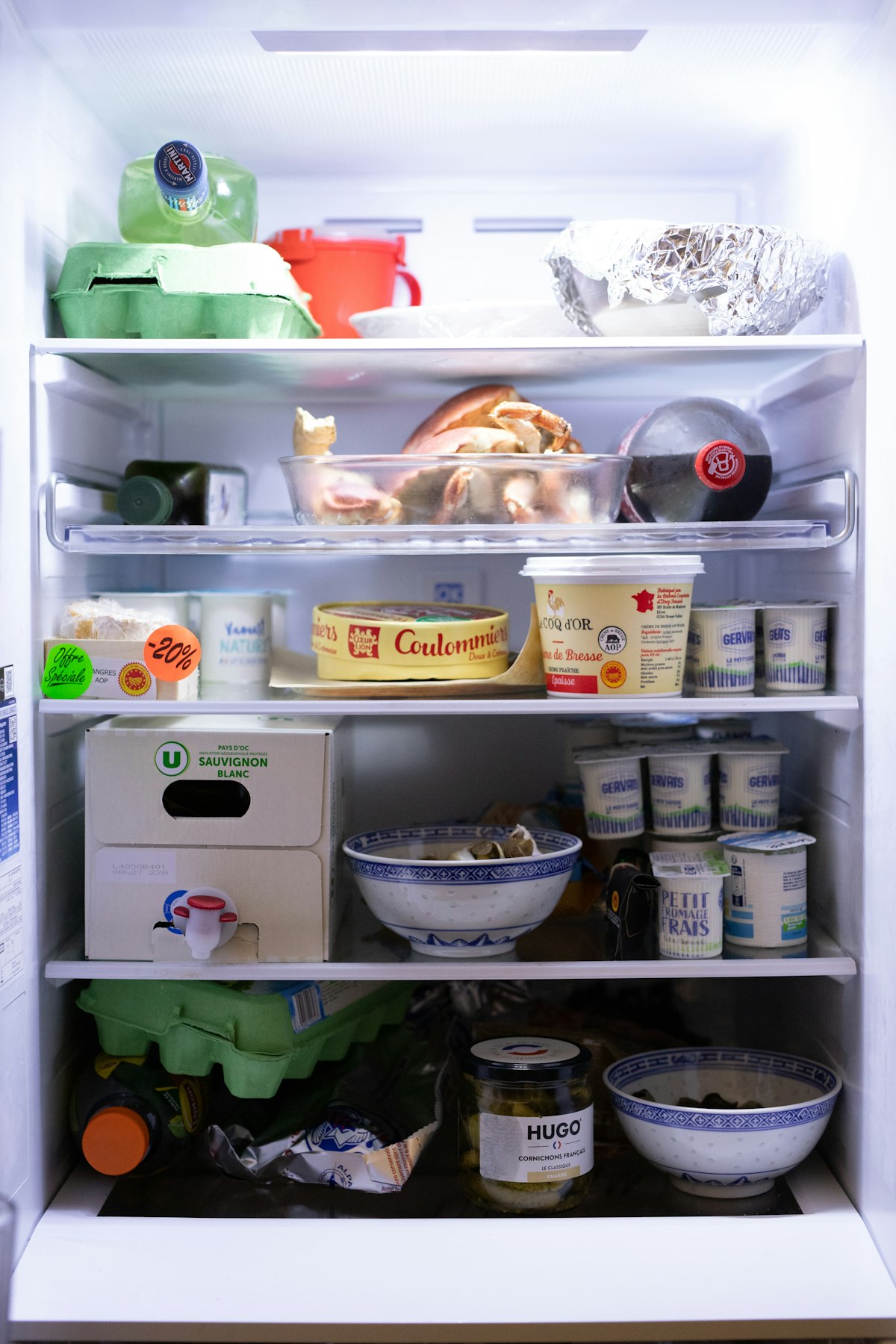
A freezer that works while the fridge stays warm points to an airflow restriction or a failed damper control preventing cold-air transfer between the two compartments. Most refrigerators generate cold air exclusively in the freezer, then use fans and dampers to distribute it to the fresh-food section. Blocked vents, a failed evaporator fan, a stuck damper, or excessive frost buildup all prevent proper circulation.
Damper controls regulate the cold-air flow from freezer to refrigerator, opening and closing based on thermostat signals. Electronic dampers use motorized actuators that can fail mechanically or electrically, preventing proper air distribution even when the cooling system itself works fine. Manual inspection reveals a stuck damper requiring replacement or cleaning, while diagnostic testing confirms an electrical control failure.
Case study: A Collier County homeowner noticed fresh food spoiling within days while frozen items stayed solid in their 8-year-old refrigerator. The freezer measured a proper 0°F while the fresh-food compartment read 52°F, with frost completely blocking the vents between compartments. Powering off the unit for 24 hours temporarily restored cooling before ice reformed within a week. Professional diagnosis identified a failed defrost timer; technicians replaced the timer and thermostat, manually defrosted the evaporator coils, and cleaned the condenser. Total repair cost: $385 — versus $2,200 to replace a comparable model. Post-repair monitoring confirmed a stable 37°F refrigerator and 0°F freezer, and the owner adopted quarterly condenser cleaning to prevent future efficiency loss.
Analyze Refrigerator Energy Efficiency and Performance
Energy efficiency and performance correlate directly with cooling-system condition, maintenance history, and component status. Modern energy-efficient refrigerators use roughly 9% less energy than conventional models through improved insulation and compressor technology, with top-freezer configurations proving more efficient than side-by-side or bottom-freezer designs.
Energy consumption climbs substantially when cooling systems run inefficiently due to component failure or neglected maintenance. Dirty condenser coils, worn door gaskets, and failing thermostats force the compressor into continuous operation trying to hold temperature. Monitoring your monthly electricity use reveals the gradual increases that signal a developing problem long before complete cooling failure.
How to Troubleshoot a Fridge That Is Not Cold in Collier County
Troubleshooting a fridge that is not cold begins with basic checks — power supply verification, temperature-setting confirmation, and door-seal inspection — before progressing to advanced diagnostics that require professional expertise. Initial assessment eliminates simple causes such as a tripped breaker, an accidentally adjusted thermostat, or a door left ajar before you consider mechanical failure.
Temperature testing with accurate thermometers placed in both compartments provides objective performance data. Leave the thermometers undisturbed for 8 hours to measure stabilized temperatures under normal operation. Refrigerator readings above 40°F or freezer readings above 5°F indicate a cooling problem requiring professional diagnosis, while normal readings despite perceived warmth suggest user perception rather than actual failure.
Evaluate Warning Signs Before Major Appliance Failure
Warning signs before a major failure include gradually increasing run time, subtle temperature fluctuations, periodic unusual sounds, slight moisture accumulation, and progressive frost buildup. Recognizing symptoms early enables proactive repairs that prevent complete cooling failure and food loss. A compressor gradually losing efficiency runs longer cycles, eventually operating continuously before complete failure.
Moisture inside the fresh-food compartment or beneath the unit suggests a drain blockage, gasket failure, or humidity-control problem. Condensation inside indicates warm-air infiltration through a damaged gasket, while exterior sweating suggests a humidity-control issue. Professional evaluation identifies the moisture source and implements repairs that prevent mold growth and structural damage.
Improve Cooling Performance With Regular Maintenance
Regular maintenance improves cooling performance through condenser coil cleaning, door gasket inspection, interior ventilation verification, drain-system clearing, and temperature calibration. The refrigerator working fluid absorbs heat in the evaporator coils and evaporates into gas, the compressor performs work increasing its temperature, and the condenser coils release that heat to complete the refrigeration cycle. Maintaining each component ensures efficient heat transfer.
Quarterly tasks — vacuuming the condenser, cleaning the interior to prevent drain clogs, and inspecting door gaskets for wear — cost minimal time while preventing expensive repairs. Professional annual inspections provide a comprehensive evaluation including refrigerant-level checks, electrical-connection testing, and component-wear assessment that catches problems while they are still economical to fix.
Benefits of Professional Refrigerator Repair Services
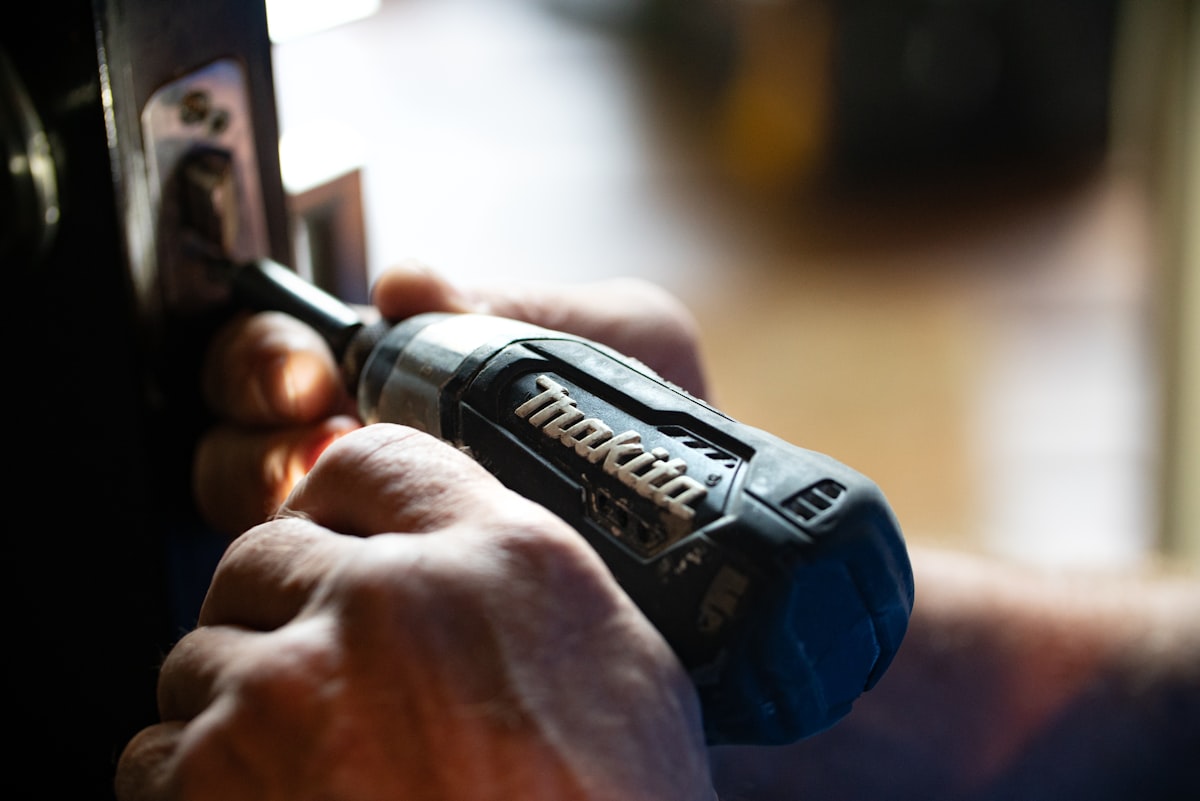
Professional repair delivers expert diagnosis, genuine replacement parts, warranty-backed work, and real time savings compared with DIY troubleshooting. Factory-trained technicians identify complex problems invisible to homeowners, using diagnostic equipment that measures electrical values, pressure levels, and refrigerant flow. Professional repairs typically cost 60–75% less than buying a new appliance while extending an existing unit's lifespan by 5–7 years.
Same-day emergency service prevents food spoilage during a critical cooling failure. An immediate professional response preserves perishable inventory worth hundreds of dollars and prevents the health hazards of spoiled food. Technicians arriving within hours — rather than days — minimize losses and restore normal refrigeration quickly throughout Collier County.
Preventive Maintenance Tips for Better Cooling Performance
Preventive maintenance for better cooling performance includes keeping the refrigerator adequately stocked, maintaining proper temperature settings, cleaning door gaskets to prevent seal degradation, and ensuring proper clearance around the unit for ventilation. A full refrigerator holds stable temperatures more efficiently than an empty one because stored food mass retains cold better than air, reducing how often the compressor cycles.
Optimal settings balance food preservation against energy efficiency. Settings colder than necessary waste energy without improving food safety, while inadequate cooling risks spoilage. Maintaining 37°F in the refrigerator and 0°F in the freezer provides proper preservation while minimizing electricity consumption.
Choosing the Right Appliance Repair Technician
Choosing the right technician means verifying certifications, checking service-area coverage, confirming parts availability, reviewing customer testimonials, and comparing service guarantees. Certified technicians have manufacturer training on specific brands, and EPA Section 608 certification proves legal qualification for the refrigerant handling required in sealed-system repairs.
Local service availability ensures a rapid response during emergencies. Technicians serving Collier County understand how the regional climate affects appliance performance and stock parts for common local repairs, so same-day service prevents extended food spoilage during a cooling emergency.
Future Trends in Energy-Efficient Refrigerators
Future trends in energy-efficient refrigerators include smart sensors monitoring energy consumption, variable-speed compressors adapting to cooling demand, improved insulation materials, and advanced refrigerants with superior environmental performance. Smart refrigerator technology detects temperature changes, food-volume variation, and door status to optimize cooling cycles based on actual usage rather than fixed timers, improving efficiency 15–20% over conventional designs.
Variable-speed compressor technology is a significant advance, running at speeds matched to cooling demand rather than the binary on-off cycling of traditional designs. These compressors cut electrical consumption 30–40% while providing more consistent temperatures and quieter operation, with the lower lifetime energy cost helping justify a higher purchase price.
Conclusion
A fridge not cooling in Collier County demands immediate attention to prevent food spoilage and to determine whether a repair or replacement is the more economical solution. Understanding the common causes — compressor failures, airflow restrictions, thermostat problems, and condenser coil blockages — lets you make informed decisions about troubleshooting and professional service. Regular preventive maintenance extends your refrigerator's lifespan while preventing expensive emergency repairs.
Sub-Zero Repair Services provides expert refrigerator repair throughout Collier County with factory-trained technicians, genuine replacement parts, and same-day emergency service. Serving the area since 1994, our certified technicians diagnose and resolve all refrigerator cooling issues using advanced diagnostic equipment and an extensive parts inventory on every truck. Call (800) 651-4528 for immediate help with cooling problems, explore our full range of appliance repair services, or see everything we offer throughout Collier County and surrounding South Florida communities.
Frequently Asked Questions
Why is my fridge not cooling but the freezer works?
Your fridge is not cooling while the freezer works because blocked air vents, a failed evaporator fan, or a stuck damper control is preventing cold air from circulating from the freezer to the fresh-food compartment. Most refrigerators generate cold air only in the freezer and use fans to distribute it. Frost blocking the vents or a failed circulation fan leaves the freezer working normally while the fresh-food section warms up — requiring professional airflow diagnosis.
How much does refrigerator repair cost in Collier County?
Refrigerator repair in Collier County typically ranges from $150–$450 for common problems like thermostat replacement, condenser fan repair, or defrost-system fixes, while major repairs such as compressor replacement reach $600–$900. Simple maintenance like condenser coil cleaning or door gasket replacement runs $100–$200. Diagnostic fees apply separately, and many services waive the diagnostic charge when you authorize the repair.
Can I fix a fridge not cooling myself?
You can fix some cooling problems yourself — cleaning condenser coils, adjusting the thermostat, replacing door gaskets, and clearing defrost drains — without specialized tools. However, compressor repair, refrigerant handling, and sealed-system work require an EPA-certified technician under federal regulations. Attempting DIY repairs on refrigerant systems is illegal and potentially dangerous, so those jobs warrant professional service.
How long does refrigerator repair take in Collier County?
Refrigerator repair typically takes 1–3 hours for common fixes like thermostat replacement, fan-motor repair, or defrost-system service. Simple maintenance such as condenser coil cleaning completes within 30–45 minutes. Major repairs like compressor replacement require 3–5 hours plus parts-ordering time if components aren't on the truck. Same-day availability throughout Collier County means most repairs finish within 24 hours of the initial call.
Need Professional Help?
Our certified technicians are available 24/7 for same-day service.
About Sub-Zero Repair Services
Sub-Zero Repair Services has provided Sub-Zero appliance repair in South Florida since 1994. Our factory-trained technicians offer 24/7 same-day service across 82 cities in 7 counties, using only genuine manufacturer parts with a full warranty on all repairs.