
Refrigerator compressor failures account for nearly 30% of all major appliance breakdowns, according to the Appliance Repair Institute’s 2024 service data. The compressor serves as your refrigerator’s heart, circulating refrigerant through the sealed system to maintain proper cooling temperatures. When this critical component fails, your food safety and household budget both face immediate risks.
Most homeowners first notice compressor problems when their refrigerator stops cooling properly or begins making unusual clicking and buzzing sounds. Understanding how to diagnose these issues helps you determine whether simple repairs can restore function or if professional sealed system work becomes necessary. This guide provides expert-backed information to help you make informed decisions about refrigerator compressor repair.
Table of Contents
- What Is a Refrigerator Compressor
- Signs Your Refrigerator Compressor Is Failing
- How to Diagnose Refrigerator Compressor Problems
- How to Repair a Refrigerator Compressor
- When to Replace vs Repair the Compressor
- Refrigerator Compressor Costs in 2025
- FAQ
- Conclusion
What Is a Refrigerator Compressor
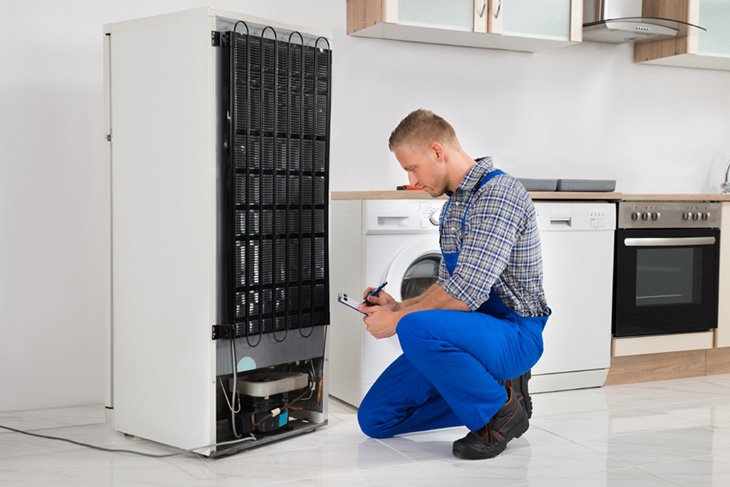
The refrigerator compressor is a motor-driven pump that pressurizes and circulates refrigerant through your appliance’s sealed cooling system. This hermetically sealed unit sits at the bottom rear of most refrigerators, encased in a black metal housing. The compressor transforms low-pressure refrigerant gas into high-pressure gas, enabling the heat exchange process that keeps food cold.
A refrigerator compressor pumps refrigerant through the sealed system, creating the pressure differentials needed for cooling. Modern units use R134a or R600a refrigerant and typically run intermittently based on temperature sensor feedback.
Understanding Compressor Operation
The compressor activates when internal temperature sensors detect warmth exceeding set thresholds. It compresses refrigerant gas, raising both pressure and temperature before sending it to the condenser coils. This pressurized refrigerant releases heat as it flows through external coils, then returns to low pressure as it enters the evaporator.
Major manufacturers like Whirlpool, LG, Samsung, and GE Appliances engineer compressors to cycle on and off throughout the day. According to Energy Star testing protocols updated in 2023, efficient compressors should run approximately 80-90% of the time in ambient temperatures around 90°F. Excessive cycling or continuous operation signals potential problems requiring diagnosis.
Compressor Components and Types
Modern refrigerators use three main compressor types: reciprocating, rotary, and inverter-driven models. Inverter compressors adjust speed based on cooling demand rather than cycling completely on and off. This technology, widely adopted by LG and Samsung since 2020, reduces energy consumption by up to 30% compared to traditional single-speed units.
The start relay and overload protector attach directly to the compressor housing, controlling electrical current flow during startup. These components frequently fail before the compressor itself, making them critical diagnostic checkpoints. The U.S. Department of Energy reports that relay failures cause approximately 40% of compressor-related service calls.
Signs Your Refrigerator Compressor Is Failing
Recognizing compressor failure symptoms early prevents complete breakdowns and food spoilage. Your refrigerator communicates problems through specific sounds, temperature changes, and operational patterns. Learning these warning signs helps you act quickly before minor issues escalate into expensive sealed system repairs.
Failing compressors produce clicking or buzzing sounds, cause inadequate cooling, run continuously without cycling off, feel excessively hot to touch, or stop running entirely despite power supply.
Common Audible Symptoms
Repetitive clicking sounds every few minutes indicate start relay failure or compressor startup struggles. The clicking occurs as the relay attempts to engage the compressor motor but fails to sustain operation. This pattern often worsens over days or weeks before the compressor stops attempting to start completely.
Loud buzzing or humming that differs from normal operating sounds suggests internal compressor damage or electrical problems. Consumer Reports documented in their 2024 reliability survey that buzzing complaints increased 15% year over year, particularly in refrigerators aged 7-10 years. The sound may accompany warm internal temperatures as cooling capacity diminishes.
Expert Tip: Place your hand near the compressor housing during operation. Excessive heat that makes the unit uncomfortable to touch for more than 2-3 seconds indicates overheating problems requiring immediate professional attention.
Temperature and Performance Changes
Your refrigerator compartment warming above 40°F while the freezer maintains some cooling suggests the compressor struggles to generate sufficient pressure. This pattern indicates the sealed system produces partial cooling but cannot maintain design specifications. The FDA recommends keeping refrigerator temperatures at or below 40°F for food safety.
Continuous compressor operation without normal cycling off periods signals the unit working excessively hard to maintain temperature. Check if condenser coils appear clean and fans operate properly before concluding compressor failure. According to GE Appliances technical bulletins from 2023, dirty condenser coils cause 60% of continuous-run complaints that homeowners attribute to compressor problems.
Checklist: Compressor Failure Warning Signs
- Clicking sounds repeating every 2-5 minutes
- Loud buzzing or humming during operation
- Refrigerator temperature above 40°F
- Freezer temperature above 0°F but still partially cold
- Compressor housing excessively hot to touch
- Complete silence with no compressor operation
- Continuous running without normal cycling
- Tripped circuit breaker when compressor attempts to start
How to Diagnose Refrigerator Compressor Problems
Proper diagnosis separates actual compressor failures from related component problems that cost significantly less to repair. Systematic testing identifies whether the compressor itself failed or if supporting components like the start relay, overload protector, or temperature control caused operational issues. This methodical approach prevents unnecessary compressor replacement expenses.
Diagnose compressor problems by testing electrical continuity with a multimeter, checking start relay and overload protector function, inspecting condenser coils for blockage, and monitoring compressor temperature during operation.
Safety Steps Before Diagnosis
Disconnect electrical power at the circuit breaker before performing any diagnostic tests on refrigerator electrical components. Capacitors and electrical connections retain dangerous voltage even after unplugging the appliance. Wait at least 5 minutes after power disconnection before touching any wiring or components.
Locate the compressor at the lower rear of your refrigerator and clear adequate workspace around the unit. Remove the access panel covering the compressor and relay assembly. Take photos of wire connections before removing any components to ensure correct reassembly.
Multimeter Testing Procedures
Set your multimeter to measure ohms of resistance for continuity testing. Disconnect the start relay from the compressor terminals and test resistance between the three terminal pins. Typical readings show 3-6 ohms between start and run terminals, 2-4 ohms between common and run, and combined resistance between start and common.
Infinite resistance or zero ohms on any reading indicates internal compressor winding failure requiring replacement. According to testing standards published by the Appliance Repair Institute in 2024, these resistance ranges apply to most residential compressors rated between 1/5 and 1/3 horsepower.
Mini-Case: A homeowner in Phoenix tested their Whirlpool refrigerator compressor after experiencing clicking sounds. Multimeter readings showed infinite resistance between common and start terminals, confirming open windings. Professional sealed system diagnosis revealed the 9-year-old compressor failed due to normal wear, avoiding unnecessary relay replacements.
Relay and Overload Component Checks
Remove the start relay by pulling it straight off the compressor terminals. Shake the relay gently and listen for a rattling sound from the internal mechanism. A working relay should rattle, while a failed unit remains silent due to stuck or damaged internal contacts.
Test the overload protector by checking continuity with your multimeter. A functional overload shows zero resistance when cool but opens the circuit when heated beyond safe operating temperature. Replace both relay and overload components together, as they cost $15-$30 for the pair and often fail in tandem.
Condenser Coil Inspection
Examine condenser coils located on the refrigerator’s back or bottom for dust, pet hair, and debris accumulation. Blocked coils force the compressor to work harder and run hotter, eventually causing premature failure. Energy Star guidelines recommend cleaning condenser coils every 6 months in typical households.
Use a coil brush and vacuum to remove buildup gently without damaging delicate fins. Straighten any bent fins with a fin comb to restore proper airflow. Samsung technical documentation from 2023 indicates that maintaining clean coils extends the average compressor lifespan by 2-3 years.
How to Repair a Refrigerator Compressor
Refrigerator compressor repair typically involves replacing failed support components rather than rebuilding the sealed compressor unit itself. The hermetically sealed design prevents internal repairs, but addressing relay, overload, and electrical issues often restores function. Understanding repair scope helps you determine if DIY fixes work or if professional sealed system service becomes necessary.
Repairing compressor systems involves replacing the start relay and overload protector, cleaning condenser coils, checking electrical connections, and testing capacitor function. Actual compressor replacement requires EPA-certified technicians for refrigerant handling.
Start Relay Replacement Process
Purchase the correct replacement relay by matching your refrigerator’s model number with manufacturer parts specifications. Whirlpool, GE Appliances, and LG maintain online parts diagrams showing exact relay part numbers. Generic universal relays work for many applications but may not provide optimal performance.
Remove the old relay by pulling firmly straight off the compressor terminals. Clean terminal pins with fine sandpaper if corrosion appears. Install the new relay by aligning it with terminal configuration and pressing firmly until fully seated. Reconnect ground wire if your model includes this safety feature.
Reinstall the overload protector by clipping it onto the relay body or compressor housing per manufacturer design. Restore power and monitor for proper startup. The compressor should engage within 1-2 minutes and run quietly without clicking sounds.
Expert Tip: Mark relay orientation with a permanent marker before removal. Installing relays upside down or reversed causes immediate failure and potential compressor damage from incorrect current flow during startup attempts.
Electrical Connection Verification
Inspect all wire connections to the compressor, relay, and overload for signs of burning, corrosion, or looseness. Tighten any loose terminal screws and replace damaged wire connectors with appropriately rated electrical terminals. Poor connections cause voltage drops that prevent proper compressor operation.
Test voltage at the compressor terminals using your multimeter set to AC voltage. You should measure approximately 115-120 volts at the common and run terminals when the thermostat calls for cooling. Significantly lower voltage indicates household electrical problems requiring electrician service.
When Professional Sealed System Work Becomes Necessary
Compressor replacement requires EPA Section 608 certification for refrigerant recovery and recharging. The sealed system contains R134a or R600a refrigerant under pressure, making DIY replacement illegal and dangerous. Professional technicians use specialized equipment to recover refrigerant, replace the compressor, evacuate the system, and recharge with precise refrigerant quantities.
Sub-Zero Repair Services provides certified sealed system repair throughout their service areas, handling complex compressor replacements that exceed homeowner capabilities. Their technicians use nitrogen pressure testing, vacuum pumps, and refrigerant scales to ensure proper sealed system integrity after compressor installation.
When to Replace vs Repair the Compressor
Deciding between compressor repair and whole refrigerator replacement depends on appliance age, repair costs, and long-term value analysis. The economics shifted significantly in 2024 as new refrigerator prices increased while compressor replacement costs remained relatively stable. Evaluating multiple factors helps you make financially sound decisions.
Replace compressors in refrigerators under 8 years old when repair costs less than 50% of replacement value. Consider whole appliance replacement for units over 12 years old or when multiple major components show wear.
Age and Value Analysis Framework
Refrigerators typically last 10-15 years with proper maintenance according to Consumer Reports longevity data updated in 2024. Apply the 50% rule: if repair costs exceed half the price of a comparable new model, replacement makes better financial sense. For a refrigerator worth $1,200 new, repairs exceeding $600 favor replacement.
Consider remaining useful life after repair. A compressor replacement on a 5-year-old LG refrigerator potentially provides another 8-10 years of service. The same repair on a 13-year-old unit might yield only 2-3 additional years before other components fail.
Mini-Case: A homeowner faced compressor failure on their 6-year-old Samsung refrigerator. Professional diagnosis quoted $650 for sealed system repair versus $1,400 for a comparable new Energy Star model. They chose repair, gaining an estimated 7 additional service years at less than half replacement cost.
Warranty Coverage Considerations
Check manufacturer warranty status before authorizing repairs. Most compressor warranties extend 5-10 years even when basic parts coverage expires after one year. Whirlpool, GE Appliances, LG, and Samsung typically cover sealed system components longer than other parts.
Review your homeowner’s insurance policy and any extended warranty contracts. Some policies cover sudden mechanical failures, potentially reimbursing repair costs minus deductibles. Contact your insurance agent with repair estimates to explore coverage options before paying out of pocket.
Energy Efficiency Comparison
Calculate potential energy savings from replacing an older refrigerator with a new Energy Star certified model. The U.S. Department of Energy reports that refrigerators manufactured after 2020 use approximately 40% less electricity than models from 2010. Annual savings of $75-$100 accumulate over the appliance’s lifespan.
Modern inverter compressor technology from LG and Samsung provides additional efficiency gains through variable-speed operation. These units adjust cooling output to match demand rather than cycling fully on and off. However, efficiency savings alone rarely justify replacement unless the existing unit exceeds 15 years old.
Checklist: Repair vs Replace Decision Factors
- Current refrigerator age and typical lifespan remaining
- Repair cost as percentage of replacement value
- Warranty coverage for sealed system components
- Energy consumption differences between models
- Condition of other major components (controls, fans, seals)
- Availability of required repair parts
- Kitchen remodeling or appliance upgrade plans
- Frequency of recent repairs and reliability concerns

Refrigerator Compressor Costs in 2025
Refrigerator compressor repair costs vary significantly based on refrigerator type, compressor size, and regional labor rates. Understanding current pricing helps you budget appropriately and evaluate service estimates. National averages provide useful benchmarks, though actual quotes may differ based on specific circumstances and local market conditions.
Professional compressor replacement costs range from $400-$850 in 2025, including parts, labor, and refrigerant. Simple relay or overload repairs cost $150-$250, while complete sealed system rebuilds reach $900-$1,200 for premium models.
Component Repair Pricing
Start relay and overload protector replacement represents the most affordable compressor-related repair. Professional service typically charges $150-$250 for diagnosis, parts, and installation. DIY parts cost only $15-$30, but many homeowners prefer professional service to ensure correct diagnosis and prevent compressor damage from improper installation.
Condenser fan motor replacement costs $200-$350 professionally, addressing another common cause of compressor overheating. The part itself costs $50-$120 depending on refrigerator brand and motor specifications. GE Appliances and Whirlpool parts generally cost less than Samsung or LG equivalents due to wider parts availability.
Full Compressor Replacement Expenses
Sealed system compressor replacement averages $400-$850 for standard top-freezer and side-by-side models according to service data compiled by the Appliance Repair Institute in early 2025. This includes EPA-certified refrigerant recovery, new compressor installation, system evacuation, leak testing, and refrigerant recharge to manufacturer specifications.
French doors and built-in refrigerators command higher repair costs due to larger compressors and increased refrigerant capacity. These repairs typically range from $650-$1,200 depending on model complexity. Sub-Zero, Thermador, and similar premium brands may exceed $1,500 for compressor replacement due to specialized parts and required factory-trained technicians.
Expert Tip: Request itemized estimates showing separate charges for diagnosis, parts, labor, refrigerant, and any additional components. This transparency helps you compare quotes accurately and understand exactly what services you’re purchasing.
Regional and Seasonal Price Variations
Labor rates vary significantly by geographic region, with coastal urban areas charging 20-30% more than rural midwest locations. A compressor replacement costing $500 in rural Kansas might reach $700 in metropolitan New York or Los Angeles for identical work.
Summer months bring increased demand for refrigerator repairs, sometimes resulting in premium pricing or extended wait times. Schedule non-emergency repairs during spring or fall when possible to potentially negotiate better rates and ensure faster service availability.
FAQ
How long does a refrigerator compressor typically last?
Refrigerator compressors average 10-15 years of service under normal conditions. Inverter compressors in premium models may last 15-20 years due to reduced mechanical stress from variable-speed operation. Proper maintenance including regular condenser coil cleaning extends compressor lifespan significantly according to manufacturer longevity studies.
Can I replace a refrigerator compressor myself?
Compressor replacement requires EPA Section 608 certification for legal refrigerant handling. The process involves specialized equipment including vacuum pumps, refrigerant recovery machines, and pressure gauges. DIY attempts risk refrigerant release violations, personal injury, and complete sealed system damage requiring professional correction at increased cost.
Why is my refrigerator compressor running but not cooling?
A compressor running without cooling suggests low refrigerant charge from sealed system leaks, failed evaporator fan preventing cold air circulation, or blocked capillary tube restricting refrigerant flow. Professional diagnosis identifies the specific failure point. Sub-Zero Repair Services provides comprehensive sealed system testing to pinpoint exact causes.
How much does refrigerator compressor replacement cost in 2025?
Professional compressor replacement costs $400-$850 for standard models and $650-$1,200 for premium refrigerators in 2025. Prices include refrigerant recovery, new compressor, labor, evacuation, and recharge. Simple relay repairs cost $150-$250. Request detailed estimates from certified technicians before authorizing work.
Conclusion
Refrigerator compressor repair requires systematic diagnosis to identify whether the compressor itself failed or if supporting components caused operational problems. Testing with multimeters, inspecting relays and overload protectors, and evaluating condenser coil condition helps pinpoint exact failure points. Professional sealed system work becomes necessary when actual compressor replacement is required.
Economic analysis comparing repair costs to replacement value guides smart decisions about fixing versus replacing failing refrigerators. Units under 8 years old typically benefit from compressor repair when costs remain below 50% of replacement value. Understanding current pricing helps you budget appropriately and evaluate service estimates accurately.
Next Step: Schedule your full appliance diagnostic today with Sub-Zero Repair Services for expert sealed system evaluation and transparent repair estimates.